

author
Publish Date / Update Date

Python Mathematical Computation Performance Benchmark

The cover image was generated by Google Gemini.

Tip
This project was written in October 2024.

While taking the graduate course Simulation Study, the instructor mentioned that the random numbers used in modern computers and programming are mostly not truly random in the strict sense, but rather pseudo-random numbers. Pseudo-random numbers are generated through mathematical algorithms that compute the next value based on the previous state. Therefore, as long as the algorithm, initial value (Seed), and current state are known, the entire random number sequence can theoretically be reproduced. This raises an interesting question: if every pseudo-random number can be calculated from the previous value, where does the very first number come from?

Learning Control Charts

The cover image was generated by ChatGPT.

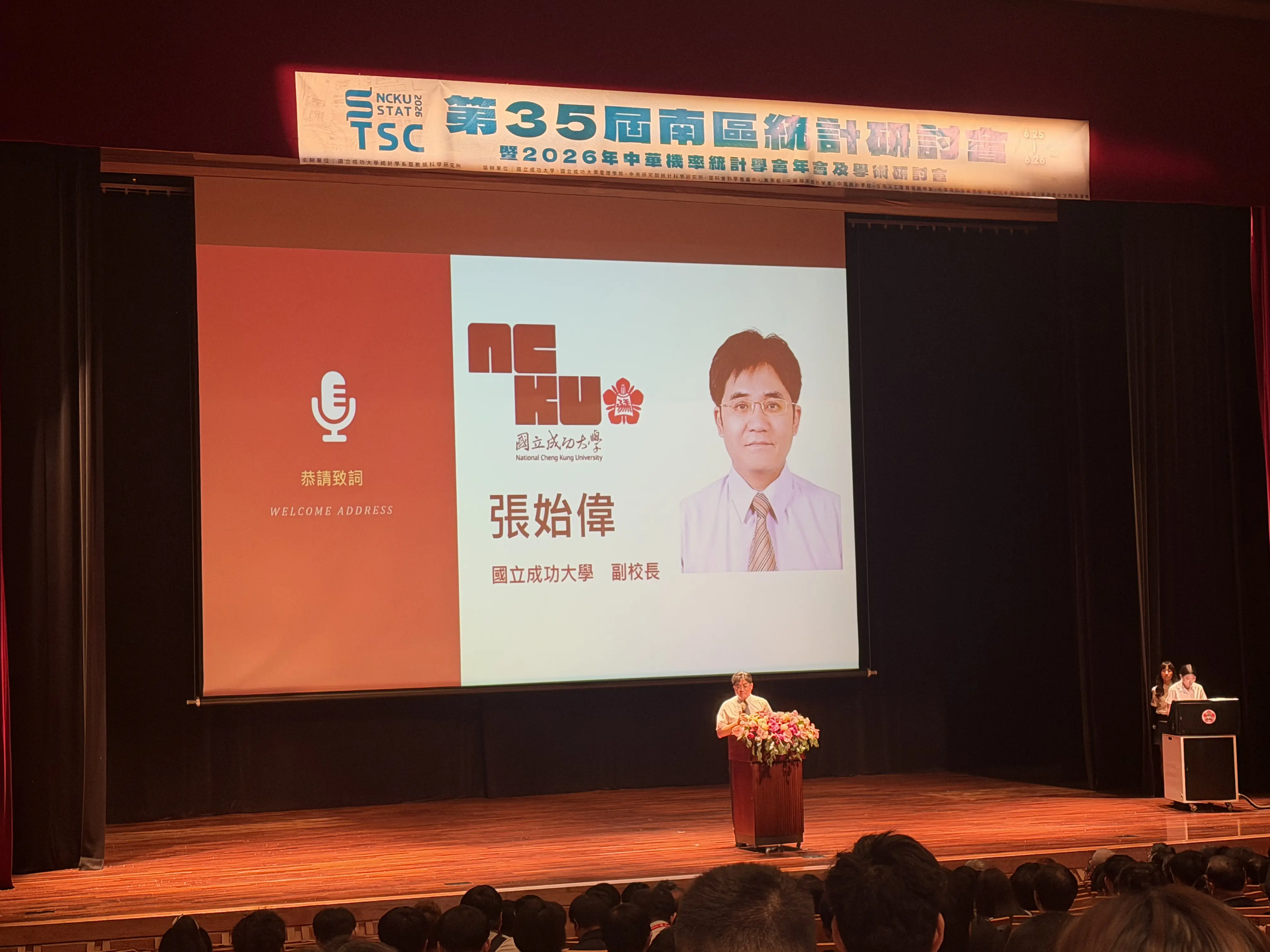
While attending The 35th South Taiwan Statistics Conference, I first learned about control charts from an experienced professor who had spent many years working in manufacturing environments. Intrigued by the concept, I decided to spend some time organizing my notes and gaining a foundational understanding of what control charts are.

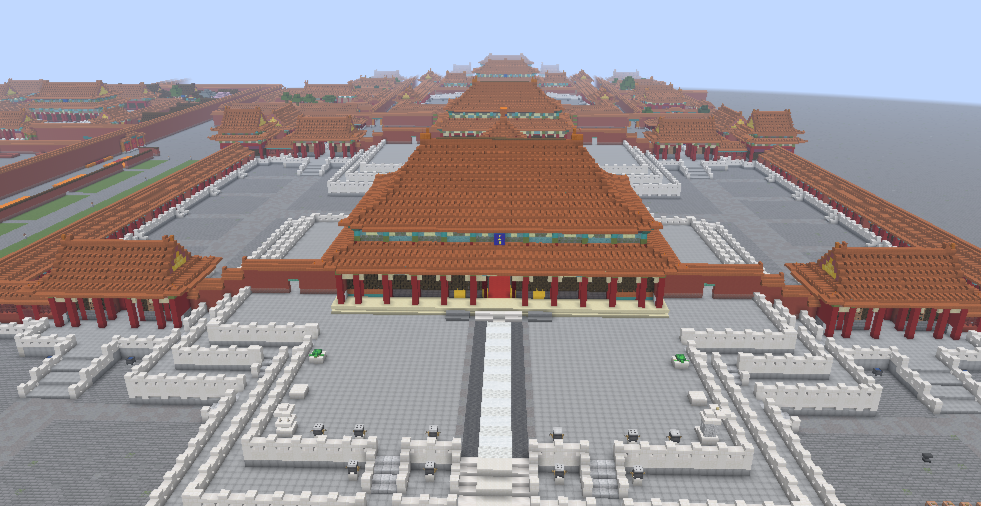
[Forbidden City Project] Building the Forbidden City in Minecraft

The Forbidden City, now home to the Palace Museum in Beijing, served as the imperial palace of the Ming and Qing dynasties. It is the largest and best-preserved ancient palace complex in the world, consisting of nearly 10,000 rooms and representing the pinnacle of traditional Chinese imperial architecture.

[Thought] The 35th South Taiwan Statistics Conference

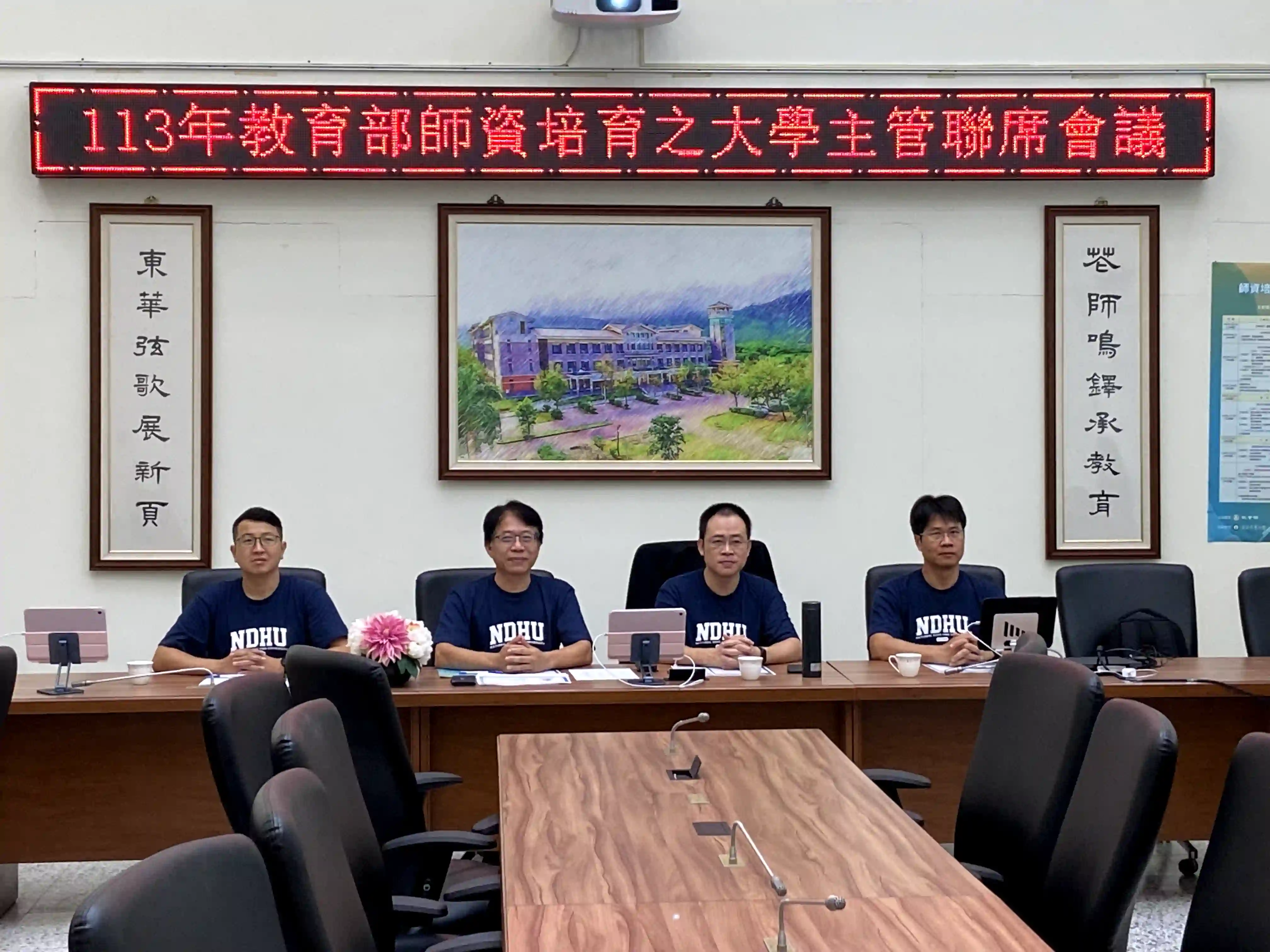
[Thoughts] 2024 Joint Conference of University Administrators for Teacher Education

The cover photo was taken at the 2024 Joint Conference of University Administrators for Teacher Education, held on November 1, 2024.

Tip
Written on November 1, 2024

The Joint Conference of University Administrators for Teacher Education is an important annual event for Taiwan’s teacher education system, where administrators from teacher-training universities across the country come together to discuss education policies, share experiences, exchange insights on policy implementation, and engage in face-to-face dialogue with officials from the Ministry of Education. The conference functions as a convergence point, gathering perspectives, expectations, and questions from all sides, gradually shaping the future direction of education. For me, it represents one of the most essential spaces for dialogue in the education sector, not only to review the current situation, but also to explore future strategies and confirm policy directions.

Time Complexity

Time complexity is used to describe how the computation time of an algorithm grows as the input size increases during its execution. Because the processing capabilities, hardware architecture, and system environment differ across computer devices, comparing algorithms solely based on actual execution time often fails to yield representative and portable conclusions. Therefore, time complexity is usually measured by the “number of basic operations executed,” and asymptotic complexity is employed to analyze the efficiency of algorithms, establishing a hardware-independent and universally applicable performance evaluation method.