

Publish Date / Update Date
Lottery Wheel - Beautified Version
Catch the Cat
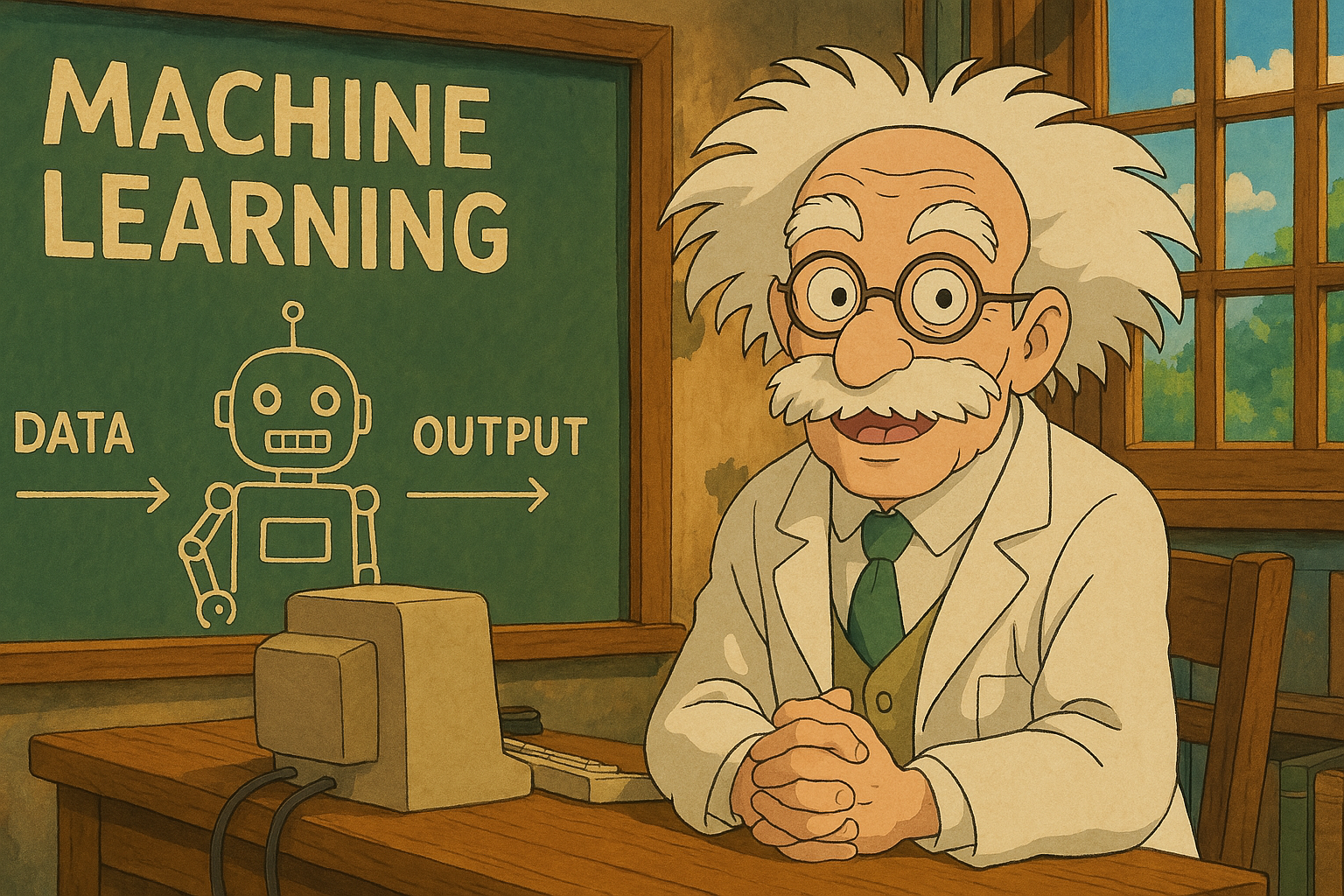
Introduction to Machine Learning
Machine Learning (ML) is a subfield of Artificial Intelligence (AI) that enables computers to learn from data and make predictions or decisions without being explicitly programmed step by step. In traditional data analysis and programming, developers often need to manually write specific rules for each analytical task. In contrast, machine learning relies on data and uses trained models to automatically identify rules or discover patterns. With the rise of the digital age, massive amounts of information and data are generated and collected every day. Regardless of whether these datasets are inherently valuable or contain subtle, hidden insights, machine learning allows us to uncover and leverage this information. ML technologies are now widely applied across various industries, including finance, healthcare, manufacturing, and autonomous driving.

[Thoughts] Junior high school students' career exploration - Chemical Engineering Group
Career exploration is an opportunity for junior high school students who are still feeling uncertain about their future to discover their interests.
By participating in activities from various career fields, students can develop their interests while also gaining an understanding of different industries, their job responsibilities, operations, and underlying principles. They also learn through hands-on experiences.
This time, the chemical engineering career exploration event was organized by National Hualien Industrial Vocational Senior High School, which held a weekend workshop on making photoengraved stamps. Through this activity, students not only learned how textbook knowledge applies to real life but also used their imagination to create their own unique stamps, experiencing the joy of hands-on work and creative expression.
Added sorting buttons by Publish or Update date on the home page
Introduction
Sometimes, when browsing a website, you just want to see the most recently updated articles. However, since this site uses Hugo, which is a static site generator, the article information on the homepage is fixed at the moment the site is generated, making dynamic switching impossible. In this case, we can generate a page similar to the homepage and use buttons to switch between different views, achieving a dynamic effect to implement article sorting functionality.
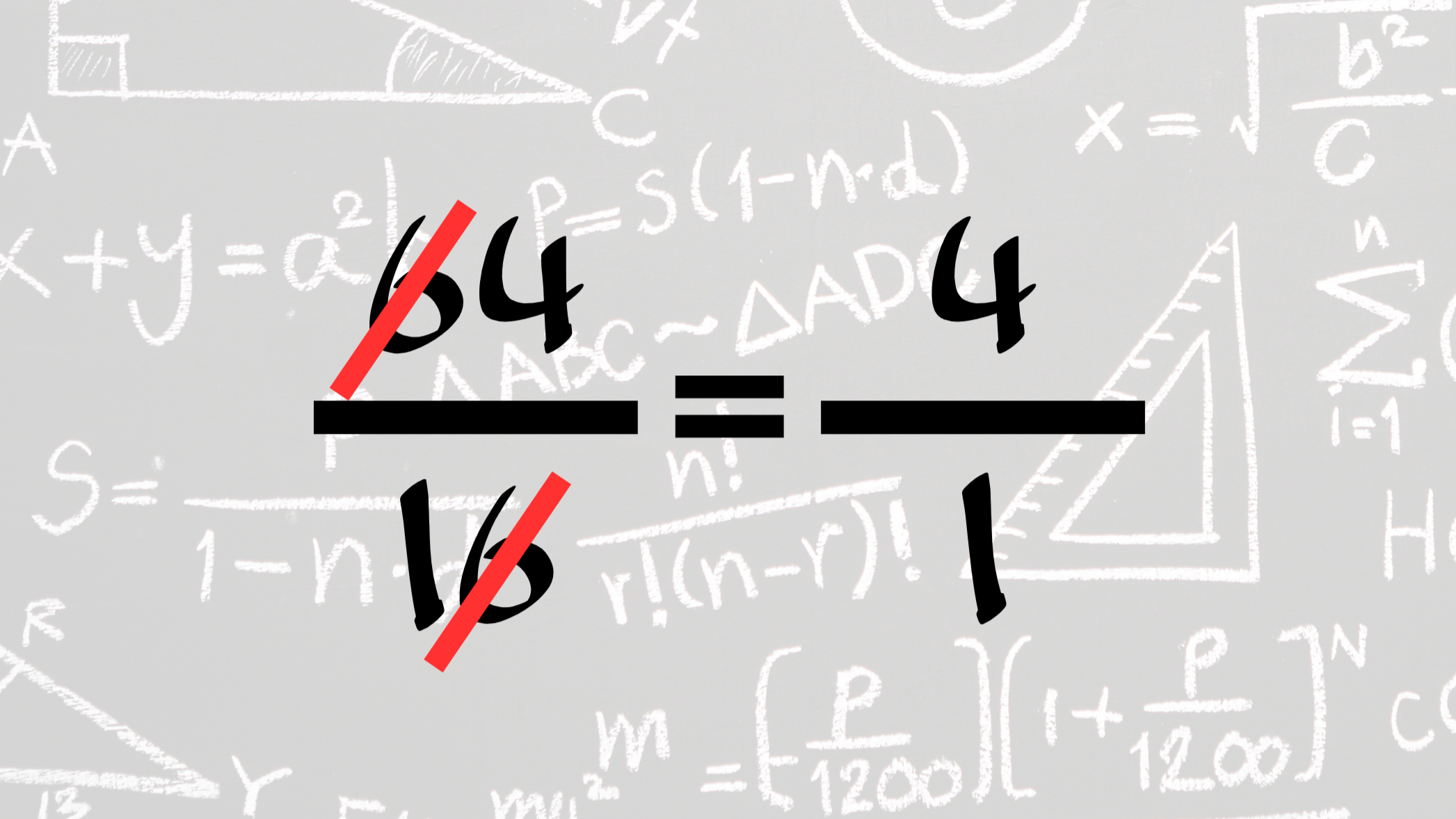
Prove $\frac{64}{16} = 4$
Weird proof $\frac{64}{16} = 4$ .
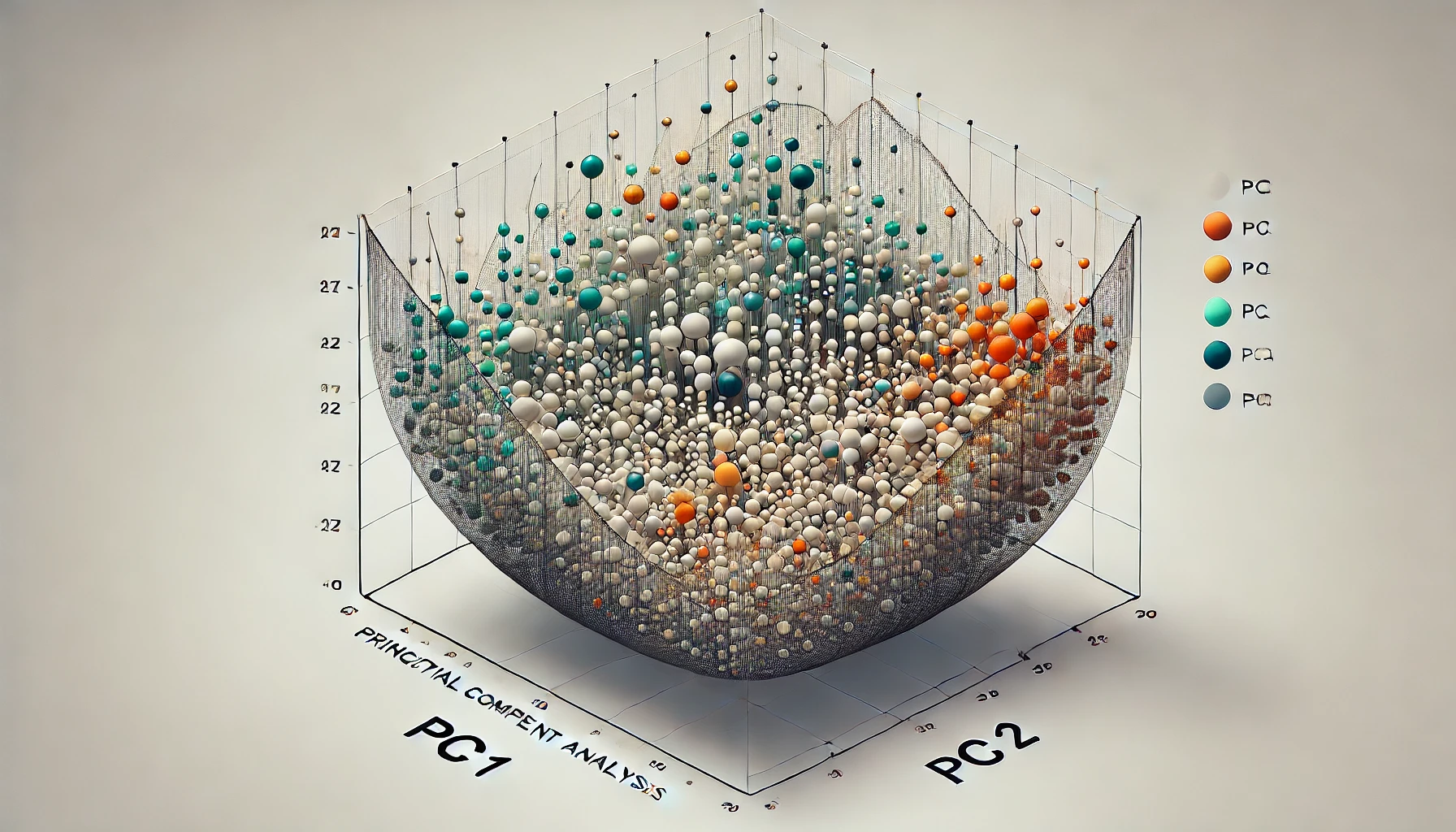
Principal Component Analysis (PCA)
Principal Component Analysis (PCA) is a commonly used dimension reduction method. It transforms an originally linearly dependent dataset into a set of linearly independent new variables through an orthogonal transformation. This process minimizes the loss of information when projecting the dataset onto these new variables. These new variables are ranked based on their variance, with the one having the highest variance called the first principal component, the second highest called the second principal component, and so on. PCA is widely used to map high-dimensional data into lower-dimensional space while preserving as much of the original data’s key features and information as possible.